By Aaron Lower, DVM, President & Veterinarian
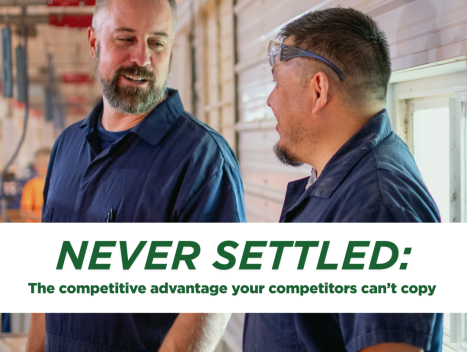
The pork producers who thrive over the next decade won’t simply own better technology. They’ll build better teams.
The pork industry has never stood still. Every year brings new technology, evolving production practices, shifting consumer expectations and new challenges that require producers to adapt. We’ve always looked for better genetics, better health programs, better facilities and better ways to improve efficiency.
Those investments matter, but one of the greatest risks facing any business today isn’t falling behind on technology: It’s becoming complacent. Complacency rarely announces itself, but it does quietly convince successful businesses that the way they’ve always operated is good enough. It discourages curiosity, limits innovation and slowly chips away at the competitive edge that took years to build.
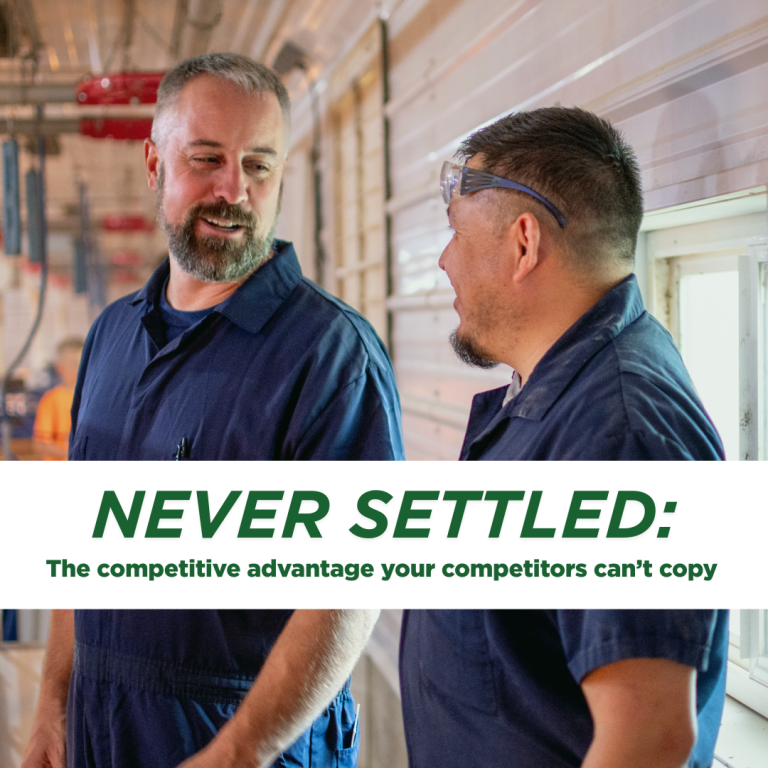
That’s why this year’s Carthage Annual Swine Conference theme, “Never Settled,” resonates well beyond the conference itself. It’s a mindset that should shape how we lead our businesses every day.
Never settling doesn’t mean chasing every new trend. It means committing to continuous improvement and recognizing that one of the greatest opportunities for growth isn’t found in the next building project or equipment purchase. It’s found in your people.
Today’s production systems across farms have more in common than ever before. Producers have access to similar genetics, health programs, modern facilities and increasing technology. Those investments remain essential, but they’re also easier than ever to replicate.
What differentiates business is that the people are different. Competitors can purchase similar equipment, implement comparable production practices and build nearly identical facilities. What they can’t easily duplicate is a culture built on trust, accountability and continuous improvement.
That’s the competitive advantage that lasts.
Every producer wants employees who take ownership, think critically and solve problems. Those qualities don’t happen by accident – they develop because leaders intentionally create an environment where people are trusted to grow.
Trust doesn’t mean lowering expectations. It means setting high expectations while giving employees the confidence to make decisions and the opportunity to learn from experience. When every mistake is met with criticism, people stop taking initiative. When mistakes instead become coaching opportunities, employees become stronger decision-makers who are more invested in improving the operation.
Culture isn’t built overnight, but it can be lost quickly. It’s created through one conversation, one decision and one example at a time. Employees pay close attention to how leaders respond to both successes and setbacks. Every interaction either reinforces the kind of organization you’re trying to build, or slowly chips away at it.
Culture doesn’t improve on its own. It reflects the priorities of the people leading the organization. The strongest leaders make time to coach, provide meaningful feedback and challenge employees to take on new responsibilities. Over time, those consistent investments create confident employees who become the next generation of leaders.
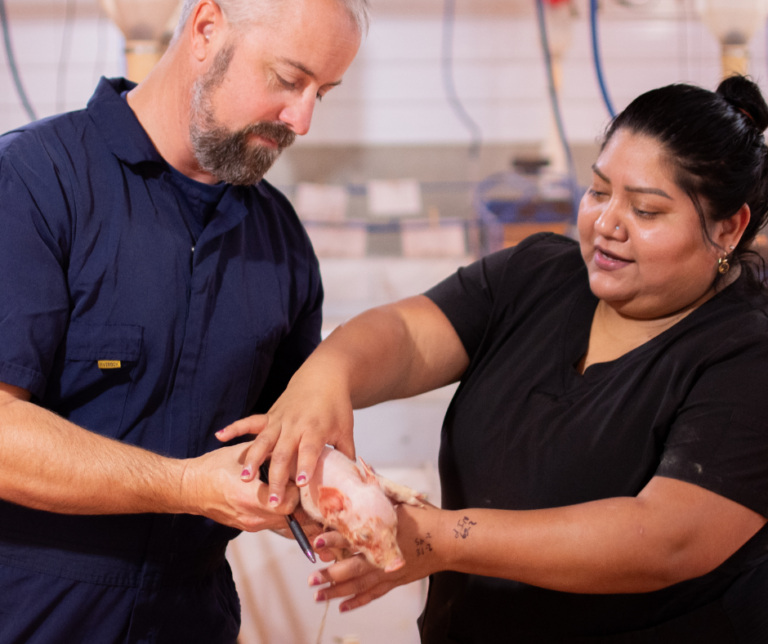
The workforce continues to evolve – and so must our approach to leadership. Many employees didn’t grow up on a farm. Others bring experiences from different cultures, educational backgrounds and industries. That diversity strengthens our businesses, but it also requires us to be intentional about how we train, communicate and develop our teams.
Investing in people means ensuring every employee has the opportunity to learn and grow. Sometimes that means leadership development; sometimes it means providing education in an employee’s preferred language. Whatever the approach, the goal remains the same: Helping people reach their full potential.
Technology will continue changing our industry. Artificial intelligence, automation and predictive analytics will improve efficiency and help producers make faster, more informed decisions. Those tools will become increasingly valuable, but they won’t replace leadership practices, judgment or relationships.
The producers who thrive over the next decade won’t simply own better technology. They’ll build better teams. They’ll challenge complacency. They’ll continue learning. And they’ll remain ”Never Settled.”
In the end, the competitive advantage your competitors can’t copy isn’t found in your barns or your technology. It’s found in the people you choose to invest in every day.
https://www.nationalhogfarmer.com/farming-business-management/never-settled-the-competitive-advantage-your-competitors-can-t-copy
The pork producers who thrive over the next decade won’t simply own better technology. They’ll build better teams.
High-risk groups, including recently processed piglets, newly farrowed sows and injured animals, should receive additional scrutiny.
Producers can quickly become overwhelmed trying to turn large volumes of data into something meaningful for their operation. In some cases, that complexity is enough to discourage them from using data at all.
Goal is to use both historical and real-time production data to align nutrient supply with pig requirements at the group level.
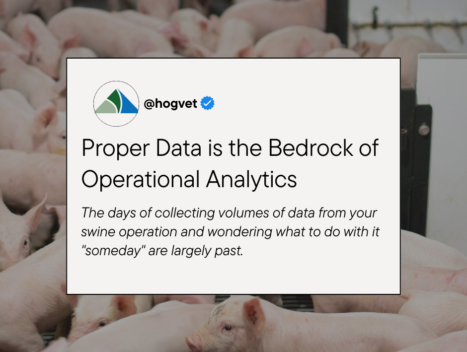
The days of collecting volumes of data from your swine operation and wondering what to do with it “someday” are largely past.
Micro-ingredients such as amino acids, trace minerals and vitamins are globally sourced, including from regions reporting FAD outbreaks.
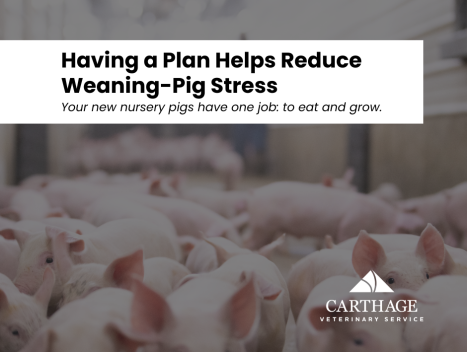
Your new nursery pigs have one job: To eat and grow. Your task is to manage their environment in such a way to minimize stress as they adjust to a different social structure and a solid diet.
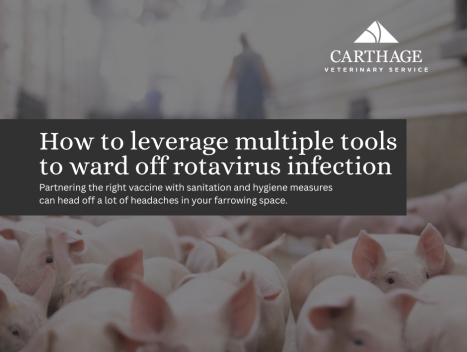
Partnering the right vaccine with sanitation and hygiene measures can head off a lot of headaches in your farrowing space.
Good feed execution means one thing: getting the right feed, in the right amount, to the right pigs at the right time every day, on every farm.
Not removing shoes in the proper spot or showering in incorrectly before entering a farm. Not properly sanitizing your lunch when coming into work on the farm in the morning. Letting wean pigs you’re loading for transport come off the trailer back into the farm.
These are some everyday ways swine producers can breach biosecurity protocols.