NEWS

New World Screwworm: Why Every Wound Deserves a Second Look

By Clayton Johnson, DVM, Director of Veterinary Service, Partner & Veterinarian

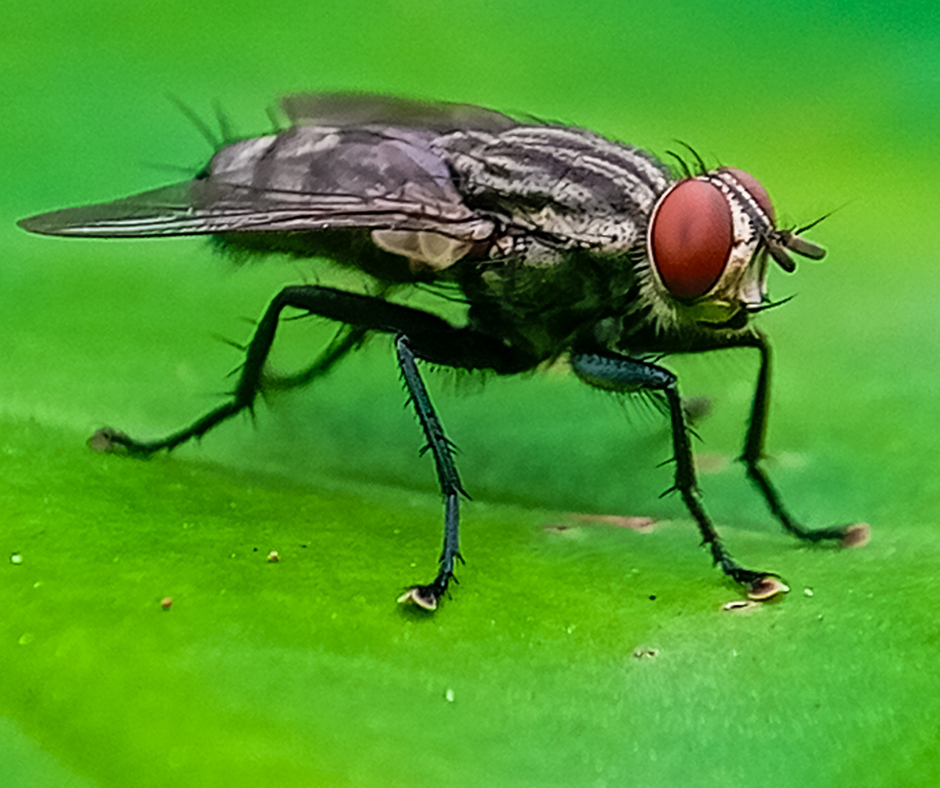
For many pork producers, New World Screwworm (NWS) has been little more than a disease discussed in history books. Government programs using sterile flies pushed this pest far, far from our borders decades ago, and simultaneously pushed this threat far, far from our radar.  Unfortunately, the risk never really went away, and a recent lack of sterile flies has allowed this enemy to rapidly overtake our borders.  Recent detections across both livestock and pets in multiple states in a matter of days are a reminder that it demands our attention. 

The encouraging news is that producers do not need to overhaul their operations to prepare. Instead, they need to sharpen their focus on fundamentals, particularly wound management and daily observation. 

A Different Type of Parasite 

One of the biggest misconceptions about NWS is that it behaves like other fly larvae commonly encountered on farms. It does not. 

Unlike opportunistic maggots that colonize necrotic tissue, NWS larvae invade healthy tissue. Female flies deposit eggs around fresh wounds or natural body openings, and larvae begin feeding within hours, creating progressive tissue destruction and increasing the risk of secondary bacterial infection. 

This distinction is what producers should use when evaluating wounds – if you see wounds with infections doing deeper into the skin, if you see wounds with necrotic tissue, or if you see wounds with active large feeding on them those are all signs you need to consider NWS infection as a potential diagnosis. 

Routine Procedures Become Risk Factors 

From a swine production perspective, NWS exploits everyday risk situations we may take for granted. 

In sow farms, umbilical cords in newborn piglets, castration, tail docking, ear notching, ear tagging, and all injections create potential sites for infestation. Freshly farrowed sows may also be susceptible due to vulva trauma associated with the birthing process. In pen gestation, vulva tears are all too common from sows stepping on swollen and fragile vulva tissue.  In nursery and finishing sites, routine vaccinations, fighting injuries, tail-biting lesions, shoulder sores, lameness-related wounds, abrasions from flooring or equipment, and cuts or scrapes sustained during handling or transport can all provide opportunities for egg deposition. 

Because of these risks, we need to place greater emphasis on post-procedure monitoring and wound healing. Every wound should be evaluated with the expectation that it will progress toward normal healing. A lesion that enlarges, develops a foul odor, produces excessive drainage, or fails to improve warrants for prompt veterinary evaluation and further investigation.  Telemedicine can be helpful in rapidly getting a second opinion.  Rather than waiting on your next vet visit, take a picture of the lesion of concern (be sure to comply with all appropriate biosecurity protocols) and share that with your veterinarian ASAP.  

Observation Is Your Best Defense 

Most people will never identify an adult screwworm fly. They are far more likely to detect a suspicious wound. 

That makes employee training critical. Barn personnel should understand what normal healing looks like and recognize wounds that warrant further investigation. High-risk groups, including recently processed piglets, newly farrowed sows, and injured animals, should receive additional scrutiny. 

Looking for training material for your farm staff?  The great resources from the Swine Health Information Center (SHIC) and the American Association of Swine Veterinarians (AASV) are here to help – they recently produced a webinar on NWS which your team can be downloaded or accessed directly via the web.

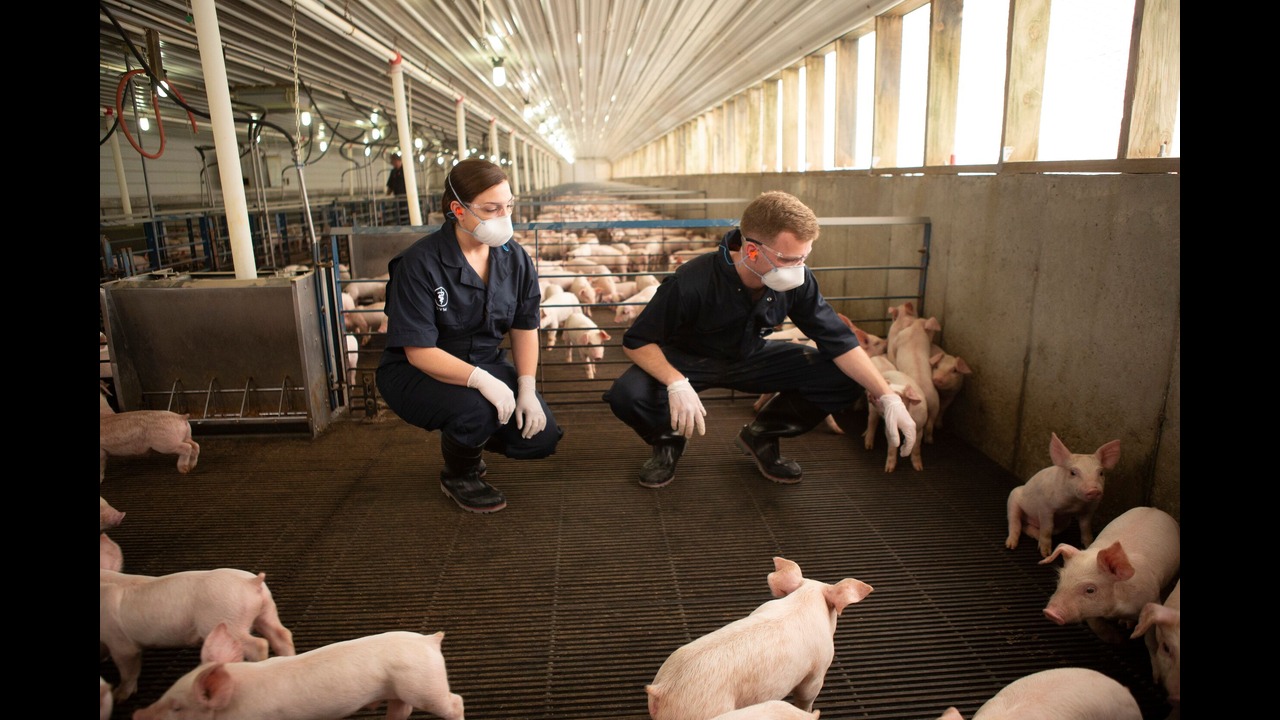
Image: veterinarians caring for young pigs.

Don’t Overlook Business Continuity 

The impact of NWS extends beyond individual animals. Regulatory movement restrictions, enhanced inspections, and additional documentation could affect farms in impacted regions. 

Enhanced movement requirements, traceability expectations, and regulatory oversight may accompany disease response activities. Producers participating in preparedness initiatives and maintaining current documentation will be positioned to navigate these requirements more effectively. 

Producers in designated NWS infected zones should be prepared to permit feed movements, trash pickup, rendering activities, and other actions that create transmission risk.  Producers not familiar with USDA APHIS program, EMRS (Emergency Management Response System), should take a moment to familiarize yourself with it.  The EMRS Customer Permit Gateway document provides some excellent background information on this program, which will be used to facilitate permitting necessary activities as needed.   

Bottom Line 

The swine industry has repeatedly demonstrated that disciplined management and early intervention are effective responses to emerging health threats. 

New World Screwworm is another reminder that attention to detail matters. In this case, that detail may be nothing more than a wound that is healing differently than expected. If we see that in animals at our farm, rapid communication and a veterinary coordinated response plan will help minimize NWS impact on our farms.  

RELATED NEWS