Observe pigs and their behavior
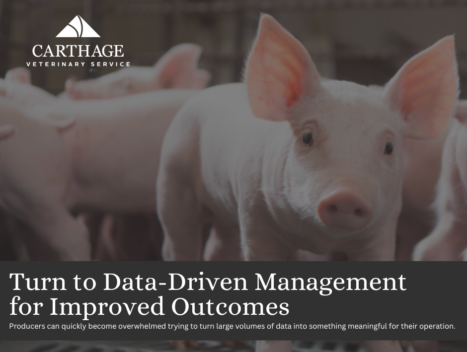
Feed execution isn’t just about machinery, it’s about understanding your pigs. Observing pig behavior and how they respond to feed is important in promoting an environment that fosters good feed intake.
In each pen, pigs will develop a natural pecking order where larger, more assertive pigs will push smaller ones away from the feeder. Being able to manage the competition at the feeder by placing smaller pigs into understocked pull-off pens with less competition gives them a greater chance at converting feed to pounds more efficiently. Catching this early allows you to move animals or adjust feeder setups so everyone has fair access.
Seasonal changes affect feed intake, too. Hot barns reduce appetite, cold barns increase it. Your goal is simple: Keep pigs comfortable, dry and hungry enough to eat steadily. Monitoring behavior, adjusting feed delivery and tweaking barn temperature when needed will prevent uneven intake and support consistent growth.
Daily checks and routines
Strong feed execution comes down to consistent routines. Here’s a checklist of daily and weekly tasks that help keep everything running smoothly:
● Feed lines and bins: Check for cracks, wear or buildup. Even small clogs can slow delivery or create uneven flow.
● Motors and augers: Ensure they’re running smoothly. Listen for unusual noises or signs of strain.
● Feed flow: Watch pans, troughs and tube exits to make sure feed is moving consistently. Look for clumps, bridging or piles under tubes.
● Bin levels: Check levels regularly. Sensors help, but nothing replaces a visual inspection.
● Backup systems: Test augers, heaters, curtain motors and emergency generators. A small failure can delay feed quickly, especially in cold weather.
● Staff walkthroughs: Encourage team members to report anything unusual (a cracked tube, odd motor noise or feed pile) immediately.
Even small problems with feed lines, bins or equipment can quickly affect how pigs eat and grow. A clogged pan, cracked tube or slow auger can disrupt intake for an entire pen if not caught early. Daily vigilance is essential.
Plan for deliveries and logistics
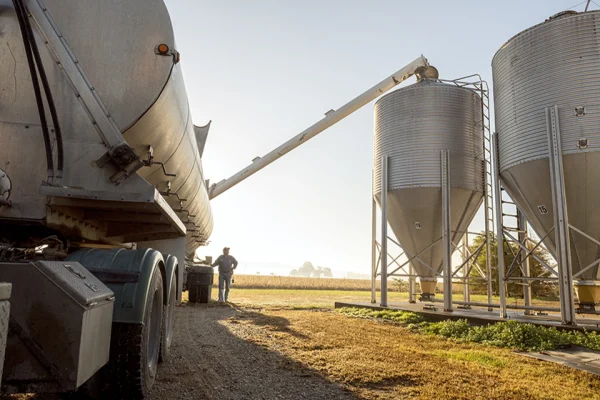
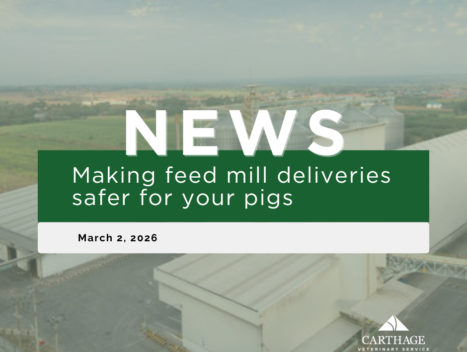
Feed execution also depends on timing. Late or inconsistent deliveries can disrupt routines and create feed stress for pigs. Communicate clearly with your feed mill year-round: specify delivery times, bin assignments and access instructions. In the winter, be proactive: pass along road conditions, plow access routes if needed and keep trucks moving.
Train your team and communicate
Feed execution is only as strong as the people managing it. Everyone on the team should know what early feed problems look like, who to report them to and what they are responsible for in their area, whether they work with sows, nursery pigs or grow-to-finish groups. When people feel confident in what to watch for and where to take concerns, issues get solved faster and barns run smoother.
Even small issues can become costly quickly if no one notices. Regular team communication prevents downtime, waste and uneven growth.
Keep it simple: Feed must flow
Feed execution may seem straightforward, but it is the foundation of every productive barn. It is consistent checking, steady adjustment and clear communication, day after day. When feed flows reliably, pigs eat better, barns run smoother and your investment pays off.
Whether managing lactating sows on a farrowing farm or balancing multiple age groups in a wean-to-finish barn, the most productive operations share one trait: Feed gets where it needs to go, every single day.
Live Link