By William Fombelle, DVM, Director of Health for the Carthage System
Micro-ingredients such as amino acids, trace minerals and vitamins are globally sourced, including from regions reporting FAD outbreaks.
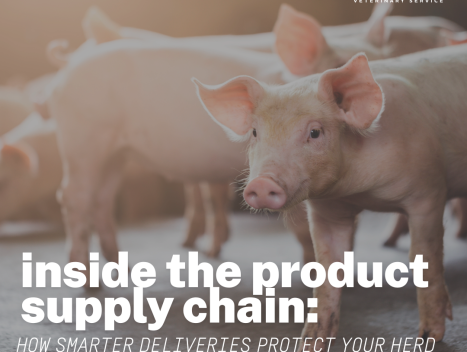
Operational biosecurity planning often begins at the farm gate, yet infectious risk can enter through supply chain interfaces — including feed delivery. Vehicles moving among multiple production sites can act as mechanical vectors if sequencing and sanitation protocols are inadequate.
As vertical integration expands, some production systems operate dedicated mills serving their single production system. However, many producers continue to heavily rely on toll or cooperative mills supplying multiple farms and even multiple production systems. Under these conditions, delivery biosecurity becomes especially important.
Carthage System veterinarians work with mills supplying its 30-plus sow farms to implement standardized delivery biosecurity practices in coordination with producers and nutrition teams.
Receiving feed deliveries
A core risk-reduction tool is structured delivery sequencing using a biosecurity pyramid. Farms are assigned health-status tiers, and feed routes are scheduled from highest-health to highest-risk sites to minimize cross-farm pathogen transfer.
Health status designations are reviewed at least weekly and adjusted when disease events occur or sites recover. If delivery must occur out of sequence — such as urgent feed need at a lower-tier farm — the vehicle undergoes wash, disinfection and appropriate downtime before returning to higher-tier routes, in addition to routine sanitation schedules.
Environmental contamination of vehicles also requires attention. Winter weather can accumulate organic debris on truck undercarriages that may contain infectious material. Mills generally require removal of this debris before trucks enter load-out areas or cross delivery pits. Farms may also increase feed inventory ahead of forecast thaw periods (“sludge days”) to reduce delivery frequency during peak contamination risk.
Mills mindful of pathogens
Endemic swine pathogens — particularly porcine reproductive and respiratory syndrome, porcine epidemic diarrhea and and porcine deltacoronavirus — remain major health and economic challenges in the United States.
At the same time, the industry must maintain vigilant against introduction of foreign animal disease agents through feed or ingredients.
Micro-ingredients such as amino acids, trace minerals and vitamins are globally sourced, including from regions reporting FAD outbreaks. Mills supplying Carthage System farms preferentially source from FAD-negative regions. When sourcing from affected regions is unavoidable, ingredients are held in segregated, climate-controlled storage to allow time-temperature viral inactivation before use. Feed mitigants are also incorporated during manufacturing, particularly during higher-risk seasons.
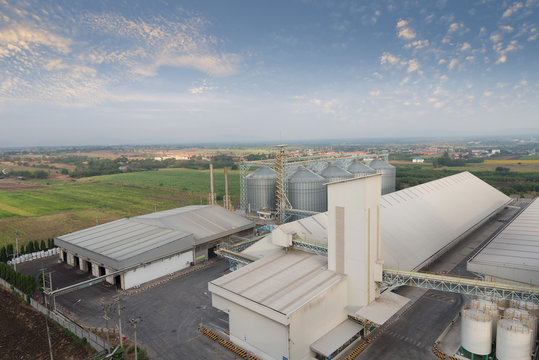
Mill design further supports pathogen control. Internal and external clean-dirty line separation reduces cross-contamination among raw ingredient receiving, processing, finished feed load-out and vehicle traffic. Some mills maintain fully separated inbound and outbound traffic lanes, with only the truck scale shared.
What producers can do
Another collaborative focus area is eliminating the use of porcine-derived animal byproducts in swine diets. Ingredients such as spray-dried plasma and other blood products provide functional protein but pose significant pathogen transmission risk. Alternative sources can reduce this risk.
Maintaining consistent communication between farms and feed suppliers is essential, particularly when using off-site or toll mills. Veterinary involvement typically centers on diet health and risk assessment, but should also include mill biosecurity coordination and verification. Within the Carthage System, veterinary teams audit supplying mills every 6-12 months and recommend updates based on evolving science and technology.
Independent producers should discuss feed biosecurity protocols with their mill managers, nutritionists, and veterinarians and review them regularly. Effective feed biosecurity depends on coordinated action across the farm–mill interface.